













3
Ordering surfaces: website, Android and iOS
2
Delivery networks, DoorDash and Uber
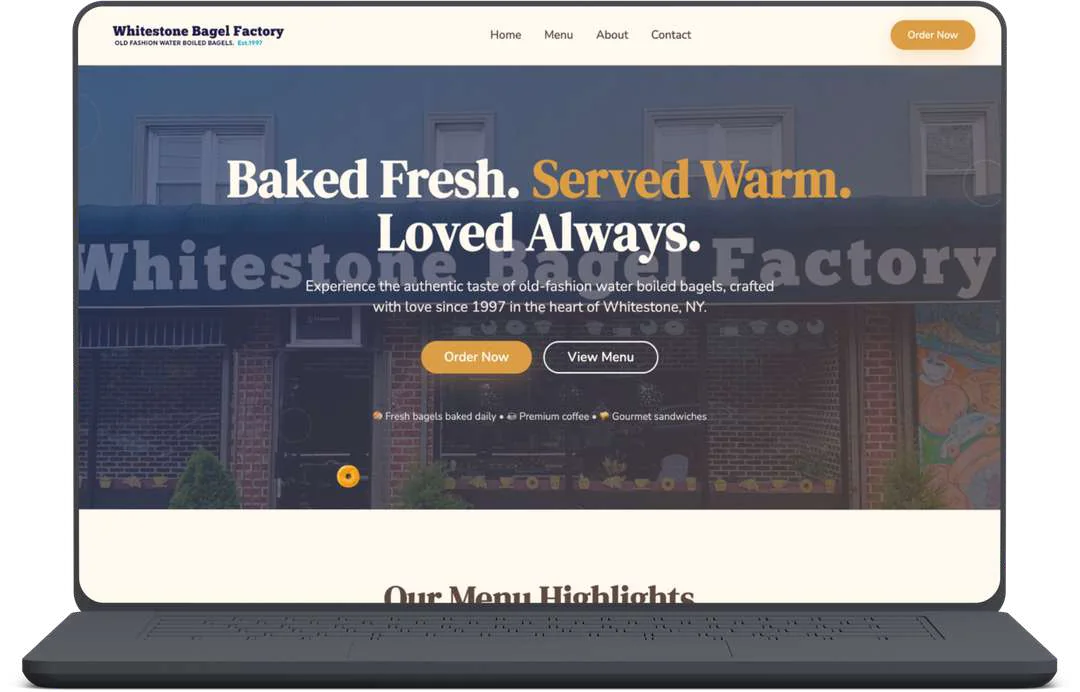
A 1997 New York bagel shop with its own website, apps and ordering.
Read story
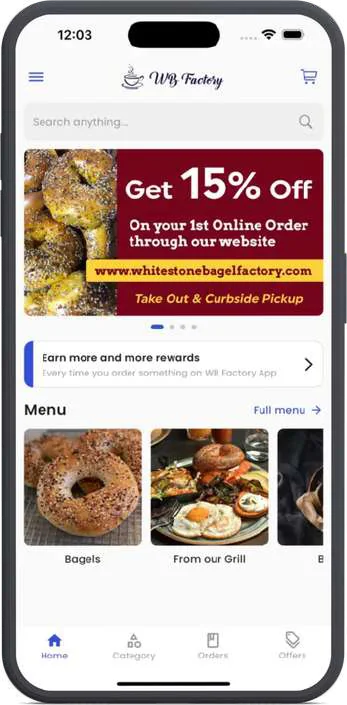

Our team in New Delhi builds customer apps, staff apps and ordering apps, connected to the payments and backends your business depends on.


Flutter is Google's framework for building Android and iOS apps from a single codebase. It's our default because one team can ship both platforms and keep them in step. We also work in React Native, and natively in SwiftUI and Kotlin when a project calls for it.
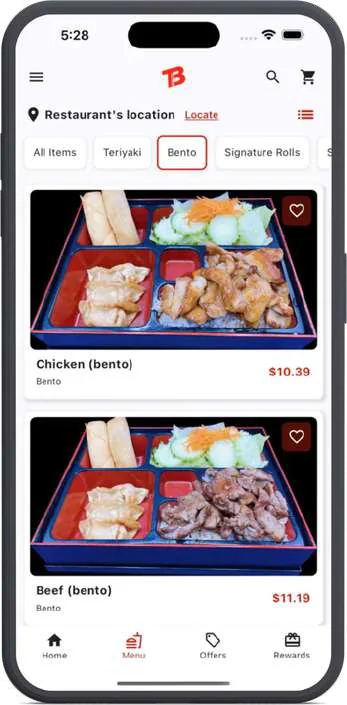
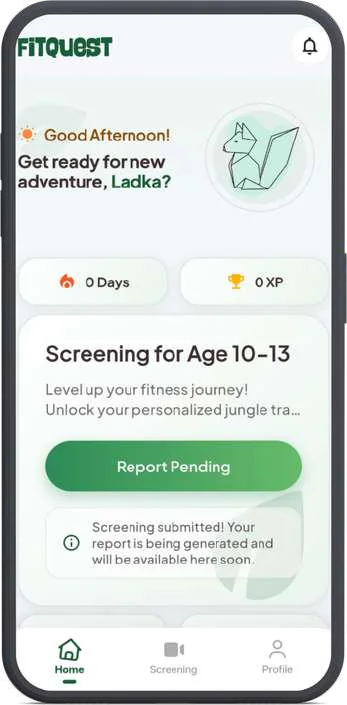
Our apps include ordering apps for New York restaurants, with online ordering and DoorDash and Uber integrations, an HR app for staff across India with live location tracking, a property app for North East and East India, and FitQuest, a child development app used by schools.


You own the store listings, the code and the accounts.
Who uses the app, what they do in it, and what the first release leaves out.
Real screens on a real phone, tested before we build.
Payments, maps, notifications and your backend, with an admin panel if you need one.
App Store and Google Play submission, then updates as the platforms change.
All three are good choices. Your team and your product decide it.
| Item | Flutter | React Native | Native (SwiftUI and Kotlin) |
|---|---|---|---|
| Codebase | One, in Dart | One, in JavaScript or TypeScript | Two, one per platform |
| How it draws the UI | Its own engine, Impeller | Native platform components | Native platform components |
| Best when | You want the same design everywhere | Your team already knows React | You need deep platform features |
| Main trade-off | Fewer developers than JavaScript | Upgrades can take work | Highest build and maintenance cost |
We keep version one narrow enough to ship, then build from what people do in it. You get scope and price in writing first.
7
Android and iOS apps in our current portfolio.
2
Platforms shipped from one Flutter codebase.
Tested on real devices throughout.
Released to a small group first.
We talk to the people who do the work, look at the tools they already use, and write down the one outcome this project has to deliver.
You get a written scope, a stack and a plan. Anything that launch doesn't need gets moved to a later phase, so the first release stays small enough to ship.
We build in short cycles and put working software in front of you as we go, on real data wherever we safely can. You see progress in the product, not in a status deck.
We hand over with training and documentation, watch the first weeks closely, and stay available to fix and extend what we built.
3
Ordering surfaces: website, Android and iOS
2
Delivery networks, DoorDash and Uber


3
Ordering surfaces: website, Android and iOS
2
Delivery networks, DoorDash and Uber


It depends on screens, user roles, integrations and whether you need an admin panel. Cost guides disagree widely, so we scope your app and give you one written price. Payments, live tracking and offline use are the features that move it most.
Both are mature. Flutter draws its own UI with the Impeller engine, which is now the only engine on iOS, and it's our usual choice for consistent design across platforms. React Native's New Architecture has been the only architecture since version 0.82, and it suits teams already deep in React. If your team knows one, that often decides it.
With Flutter you rarely have to choose. If you build natively, look at where your customers are: Android usually leads in India, while iOS carries more weight for many US consumer apps. Your own analytics beat any general rule.
Yes. We've integrated Razorpay, PayU and PhonePe for India, and Stripe, PayPal and Authorize.net for US and international payments.
Yes. We start with a short audit of the code, store accounts and backend, and tell you what's reliable before you commit. Ask your previous vendor for the source and store access early.
If it collects personal data from people in India, plan for it. The DPDP Rules were notified in November 2025 with an 18-month transition, so the main duties arrive around mid-May 2027. They cover notice and consent, security safeguards, breach reporting, and verifiable parental consent for children. Get legal advice on your specific app.
Tell us who it's for and the one job it has to do. We'll help you cut version one to something you can ship.